
Complex chronic rhinosinusitis refers to chronic rhinosinusitis that is harder to control, or that occurs together with an underlying medical condition affecting the sinuses. It often needs a more individualized approach to evaluation and treatment than typical chronic rhinosinusitis.
Conditions That Can Make Sinus Disease More Complex
- Cystic fibrosis.
- Primary ciliary dyskinesia.
- Problems affecting the immune system.
- Aspirin-exacerbated respiratory disease.
- Extensive nasal polyp disease.
- Anatomic factors affecting sinus drainage.
How Is It Evaluated?
- Detailed review of symptoms, previous treatments, and prior surgeries.
- Nasal examination, usually including nasal endoscopy.
- Review of previous CT imaging when available.
- CT imaging of the sinuses.
- Microbiology or culture samples in selected patients with repeated infections.
- Coordination with other specialists when an underlying medical condition is contributing.
Treatment
Treatment is individualized according to the underlying condition, the pattern of sinus disease, previous treatment, and the patient's symptoms. Management may include topical nasal therapies, saline irrigation, oral medications including antibiotics and corticosteroids when indicated, treatments specific to the underlying medical condition, and surgery when appropriate.
When Is Surgery Considered?
Surgery may be considered when symptoms or sinus disease remain significant despite appropriate medical treatment, when blocked sinus pathways contribute to repeated infections, or when surgery is needed to improve access for topical treatment.
In some patients, extended sinus surgery may be needed. This means creating larger sinus openings than in standard sinus surgery to improve drainage, make it easier to clear thick mucus, and allow topical treatments to reach the sinuses more effectively.
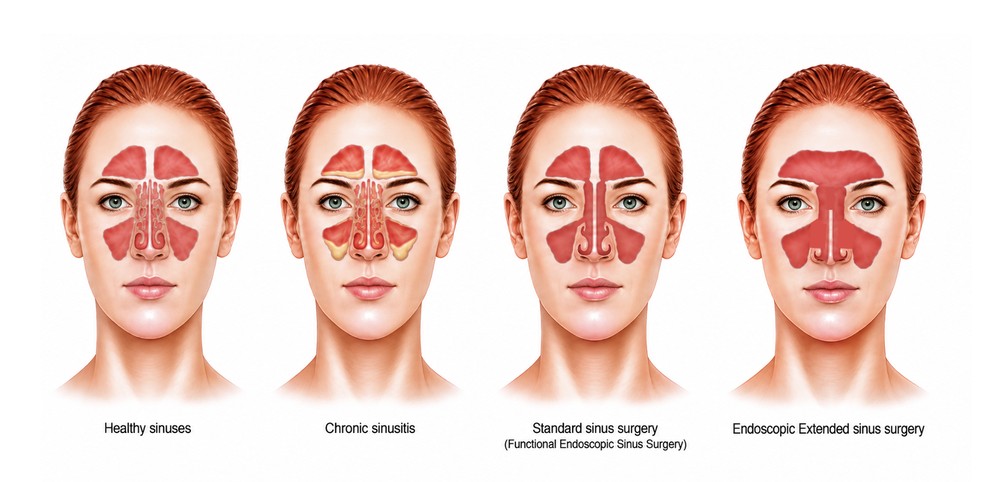
Original educational illustration created by the author; anatomy is simplified for clarity. Source: Samargandy S, 2026.
Frequently Asked Questions
Does complex sinus disease always require surgery?
Treatment depends on the cause and severity of the disease. Some patients can be managed medically, while others benefit from surgery as part of long-term treatment.
Can sinus disease come back after surgery?
It depends. Chronic rhinosinusitis is a chronic inflammatory condition and can recur after surgery. When an underlying medical condition is also contributing — such as a problem with the immune system or abnormal mucus-clearing tissues, as in cystic fibrosis or primary ciliary dyskinesia — surgery does not remove that underlying cause. Long-term medical treatment and follow-up may still be important after surgery.
Why are cultures sometimes taken?
In patients with repeated or difficult-to-treat infections, a sample of mucus can help identify which bacteria are present and guide antibiotic treatment when needed.